What does scalp micropigmentation feel like?
When people ask me, “Does scalp micropigmentation hurt?”, they are often imagining a traditional tattoo. SMP does involve a needle depositing tiny pigment dots into the upper layers of the scalp, but the sensation is usually more manageable than that comparison suggests.
Most clients describe the feeling as light scratching, tapping, prickling or vibration. It may feel more noticeable than painful. Your experience will depend on your pain tolerance, skin sensitivity, the area being treated and how long we are working.
The temples can feel more sensitive than other areas. Scar tissue may also respond differently from unaffected scalp. I work carefully and adjust my pace when needed rather than expecting every client to tolerate the same level of sensation.
Scalp micropigmentation and pain: key facts
- Most clients describe the feeling as light scratching, tapping, prickling or vibration.
- Numbing can make treatment more comfortable, but it does not always remove every sensation.
- The temples can feel more sensitive than other areas.
- SMP is usually completed over more than one appointment, so the whole area is not treated intensely in one sitting.
- After each session, follow the aftercare I give you, which usually starts with keeping the scalp dry for the first few days.
Is numbing used during SMP?
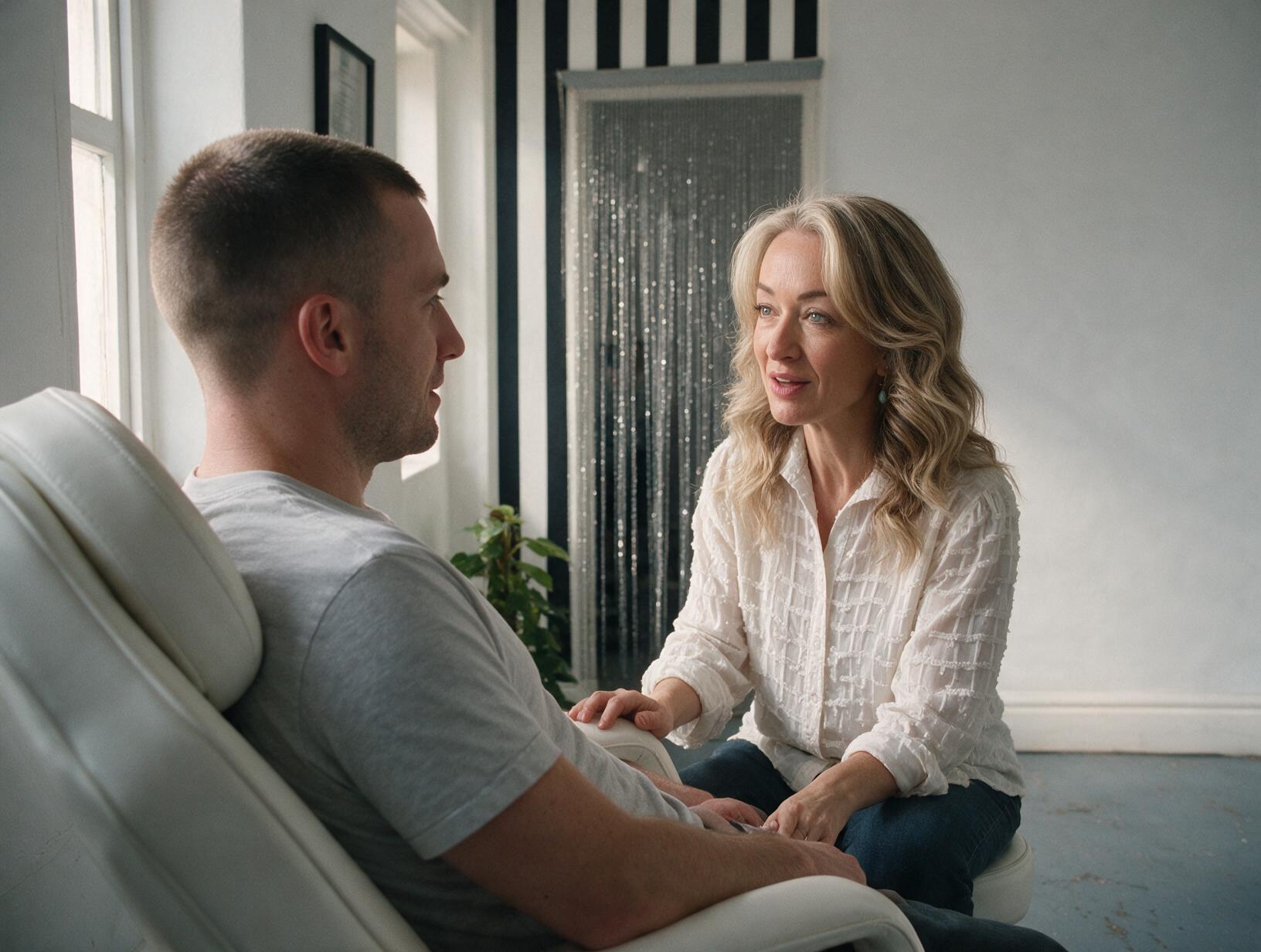
Before treatment begins, I prepare the scalp and we talk through numbing and how you would like to manage comfort. Numbing does not always remove every sensation, but it can make the procedure more comfortable. I also check how you are feeling throughout the appointment, particularly during longer sessions or when we are working over a sensitive area.
I will explain what you may feel rather than promise that treatment will be completely painless. Numbing products affect people differently, and some clients remain more aware of the tapping than others. If you are nervous, tell me at the consultation. Being open about anxiety or a low pain threshold helps me plan the appointment appropriately.
SMP is usually completed over more than one appointment. A lighter first session allows the pigment placement and spacing to be assessed as the scalp heals. Later sessions add density and detail. This staged approach also means that the whole area does not need to be treated intensely in one sitting.
Which factors can make scalp micropigmentation more uncomfortable?
Several factors can influence scalp micropigmentation pain:
- Scalp sensitivity: some people naturally feel needle-based treatments more strongly.
- Treatment area: the temples, hairline and scarred areas may feel different from the crown or sides.
- Skin condition: irritated or inflamed skin can be more sensitive and should not be treated until the problem has settled.
- Appointment length: concentration and comfort can change during a longer session.
- Preparation: arriving rested, hydrated and with a clean scalp can make the appointment easier to manage.
Active eczema, psoriasis flare-ups, scalp acne or other active irritation should settle before treatment. If you are prone to keloid or spontaneous keloid scarring, you should discuss SMP with a dermatologist before booking because tattooing trauma may trigger abnormal scarring.
Before proceeding, I also need to know about relevant medical conditions, medication, supplements and allergies. This is part of safe planning, not a test you have to pass. You can read more about the treatment itself on my scalp micropigmentation treatment page.
What happens after the appointment?
It is normal for the scalp to look slightly red immediately afterwards. This generally settles over the following few days. The pigment can also look darker or more intense at first, then soften as the skin heals. Light flaking or scabbing may occur, and you should not pick or scratch the area.
After each session, the scalp usually needs to stay dry for the first few days: no washing, wetting, shaving or heavy sweating. Avoid heavy exercise, hot showers, saunas, steam rooms and direct sun exposure as advised. Gentle washing can then begin, following the specific instructions I give you.
After the final treatment, pools, saunas, steam rooms and strong sun are usually avoided for several weeks, and the scalp should then be protected with a high SPF sunscreen. Full healing typically takes around a month.
Mild tenderness can occur after treatment, but it should not progressively worsen. Contact your GP or NHS 111 if you develop fever, pus or drainage, severe pain, severe redness or significant swelling. You should also contact me if you notice unusual discomfort or a healing concern that was not discussed with you.
How can I judge whether a practitioner is safe and experienced?
The practitioner you choose affects both comfort and the final appearance. Ask about SMP-specific training, local council registration for tattooing, infection control training, hygiene procedures and the pigments used. Needles should be sterile, single-use and opened appropriately, with barriers and gloves used throughout.
Look closely at healed examples, not only freshly completed work. Pay particular attention to the hairline. It should suit your facial structure and age rather than looking like a solid painted edge. Poor pigment depth or unsuitable dot spacing can cause blurring, colour changes or difficult correction later. Choosing an experienced SMP professional reduces the risk of complications during application and if removal is ever needed.
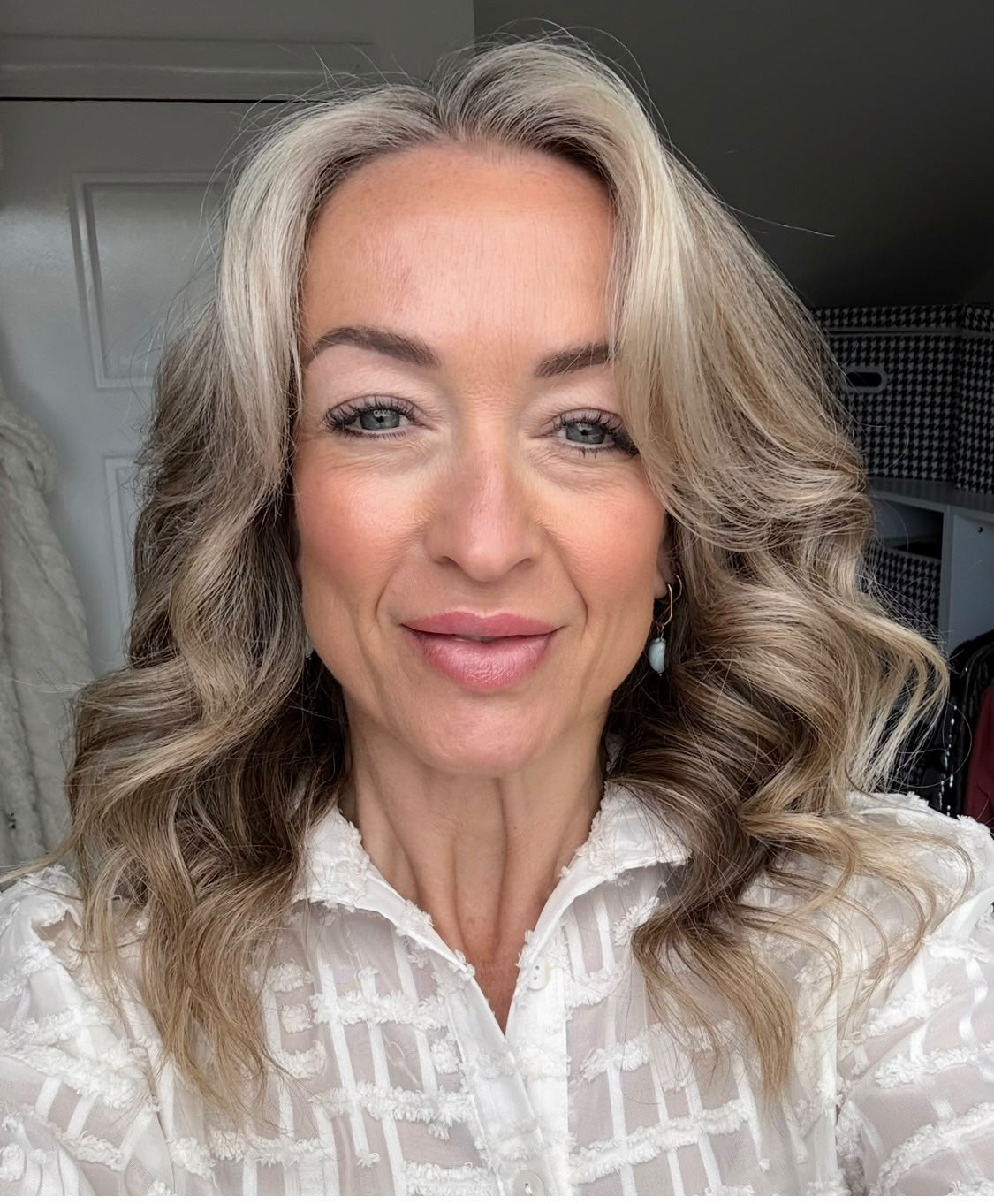
I am Emma Nadin, head of The Scalp Advisor in Gosport, Hampshire. I hold a Level 4 VTCT qualification and trained with some of the UK's leading SMP specialists. I use consultation time to discuss your scalp, hair loss pattern, expectations and comfort before any treatment is planned.
If you would like to discuss your suitability or ask about scalp micropigmentation pain in person, you can contact The Scalp Advisor in Gosport, Hampshire to arrange a consultation.